October 23, 2026
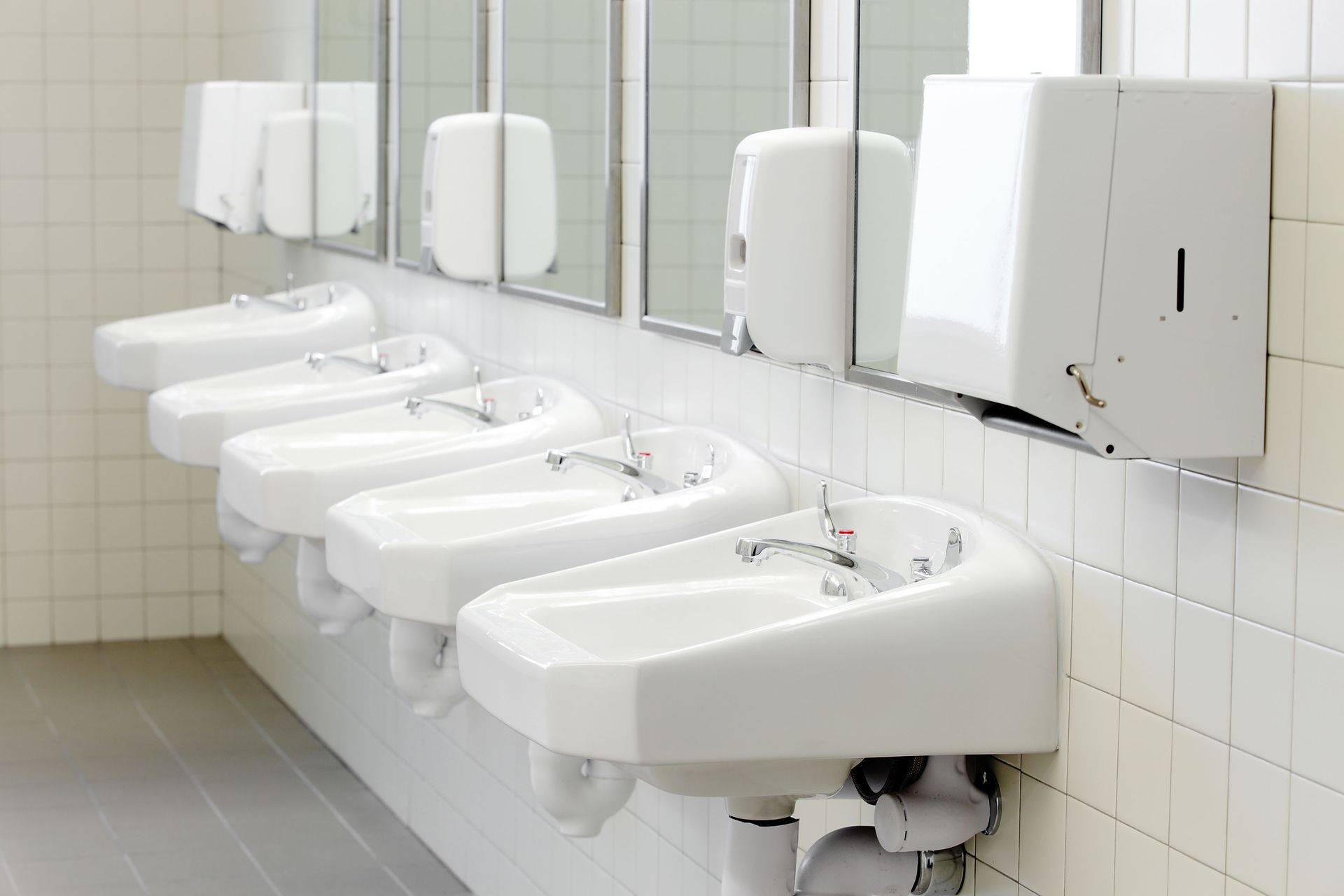
Maintaining washroom surfaces presents unique challenges that separate them from other areas of a commercial building. The inherent nature of these spaces involves relentless foot traffic, constant exposure to water, and the necessity for rigorous sanitation. These combined factors complicate everyday upkeep efforts for property supervisors and staff. According to Statista, professionals overseeing facilities across the nation identified washrooms as the most problematic area for general upkeep and sanitation in the year 2025. This intense level of difficulty requires specialized attention and tailored strategies.
Understanding this difficulty is essential for developing better routines. Different flooring materials degrade under the barrage of organic soils and harsh disinfectants. When routine care falls behind, these surfaces deteriorate, causing safety hazards and unsanitary conditions for building occupants. Engaging professional cleaning services offers a practical way to manage these distinct challenges and keep the environment pristine. This comprehensive overview explores the specific factors that make washroom floors difficult to maintain while detailing effective remediation methods.
Managing High Traffic and Footwear
Washrooms experience unparalleled levels of foot traffic because they remain in continuous use by many different individuals throughout the day. Each visitor brings unavoidable dirt, soil, and outdoor debris inside, which transfers onto the floors. This constant influx demands immediate attention to sustain safe conditions and prevent the rapid spread of grime. Managing this heavy usage poses a perpetual challenge, as the unending stream of visitors accelerates physical wear. Consistent intervention from experienced cleaning services helps mitigate visible signs of deterioration before they become permanent.
The vast variety of footwear adds another layer of complexity to the overall upkeep process. From heavy work boots to dress shoes, every sole leaves distinct scuff marks and deposits different types of outdoor contaminants. Staff must employ varied strategies to lift the specific traces left behind by these diverse shoe types. High foot traffic speeds up the accumulation of these contaminants, which can scratch and degrade the finish over time. Implementing durable materials remains crucial to counteracting this inevitable wear.
Mitigating Constant Moisture and Humidity
Water exposure is an unavoidable reality in washrooms, originating from sinks, toilets, and other plumbing fixtures. Constant contact with standing water can erode floor finishes and lead to significant structural degradation if ignored. This persistent moisture requires specialized extraction methods to stop water from penetrating beneath the top surface. Relying on dedicated cleaning services ensures that technicians apply the proper extraction tools to keep these areas dry and secure. Trapped water weakens the foundation, creating a host of structural issues.
Beyond direct water spills, these environments generate ambient moisture levels that cultivate ideal conditions for mold and mildew growth. High humidity exacerbates health risks for occupants and complicates standard sanitation routines. Mold stains the surface and undermines the grout and sealants over time. Moist conditions also present significant slip and fall hazards, as standing water reduces traction and creates dangerous environments. Applying specialized anti-slip coatings enhances surface friction and prevents accidents. Consistent monitoring and prompt spill resolution are necessary steps.
Balancing Harsh Chemicals and Residue
Proper hygiene necessitates the regular application of strong chemical disinfectants, which are harsh on commercial floor cleaning materials. The continuous use of these acidic or alkaline products accelerates wear and degrades protective sealants. While killing bacteria is paramount, ensuring that these disinfectants do not destroy the floor finish requires careful product selection. Inappropriate chemicals lead to discoloration and increased permeability, making the surface harder to maintain. Facility supervisors must find a balance between achieving maximum sanitation and preserving physical conditions.
The sanitation process often leaves behind a sticky residue, which damages both appearance and traction. This buildup accumulates when protocols fail to include proper rinsing phases. Over time, chemical residues reduce surface grip, increase the risk of slips, and attract even more dirt. Using green cleaning solutions provides an effective alternative that avoids leaving harmful films behind. These eco-friendly solutions maintain high sanitation standards while minimizing negative ecological impacts and protecting occupant health.
Navigating Complex Layouts and Zones
Modern facility designs feature elaborate architectural layouts containing numerous tight corners and narrow spaces. Such intricate designs restrict access and complicate the physical task of removing soil from every surface. Specialized tools are necessary to reach behind fixtures and under partitions to guarantee a thorough sanitation process. Utilizing comprehensive cleaning services provides access to the specialized equipment required to maneuver through these difficult layouts. Overcoming these spatial barriers is essential to prevent grime from accumulating in hidden nooks.
Washrooms also comprise distinct usage zones that demand differentiated care protocols. Sink areas require particular attention due to frequent soap and water splashes, whereas toilet enclosures encounter higher bacterial loads. Effective maintenance plans must segment these zones and apply specific methods tailored to the unique soil types found in each area. Recognizing these zone-specific demands is vital to achieving a uniform standard of hygiene. Striking a functional balance between accommodating modern aesthetics and executing practical upkeep fosters a cleaner, safer environment.
Prioritizing Routine Upkeep and Schedules
Establishing consistent schedules for these high-traffic areas is a multifaceted obstacle due to their continuous operation. Interruptions for standard upkeep inconvenience occupants who require immediate access, meaning supervisors must coordinate routines with precision. Balancing absolute cleanliness with room availability often puts maintenance teams at odds with peak usage times. Engaging flexible cleaning services allows facilities to schedule deep sanitation during off-hours, avoiding disruptions. This operational flexibility is central to efficient management, ensuring the work is thorough yet invisible.
A lack of consistent scheduling leads to deferred maintenance, which compounds the effort required to restore the floor to a baseline standard. Postponing necessary care accelerates the deterioration of grout lines and surface sealants. Preventative care protects the underlying materials and extends the lifespan of the entire installation. Facility managers must weigh the physical effort of daily upkeep against the profound disruption of extensive restoration projects. Implementing a proactive regimen focused on consistent interventions reduces the overall burden on staff.
Implementing Green Solutions and Coatings
Advancements in floor care prioritize sustainability, prompting a shift toward environmentally conscious methods and materials. Implementing low-odor, biodegradable treatments protects indoor air quality while breaking down tough biological soils. These eco-friendly options provide the same level of sanitation as traditional harsh chemicals but omit the corrosive side effects. Partnering with dedicated cleaning services that specialize in green methods ensures that the flooring receives gentle yet effective care. This approach supports a healthier indoor environment for employees while preserving structural integrity.
The strategic application of advanced coatings and sealants offers profound protection against wear, moisture penetration, and organic stains. These protective layers improve the durability of porous surfaces, such as grout and concrete, creating a barrier that repels contaminants. By keeping dirt on the surface, these sealants reduce the physical exertion required during everyday care routines. Upgrading to specialized anti-microbial coatings inhibits bacterial growth between scheduled visits. Combining these modern treatments with eco-friendly products creates a resilient defense mechanism.
Washroom floors present a complex obstacle for facility supervisors, exacerbated by intense usage patterns and constant water exposure. These persistent issues demand specialized knowledge and tailored strategies to ensure the environment remains sanitary and functional. Relying on professional cleaning services alleviates the operational burden on internal staff while delivering superior, long-lasting results. Integrating advanced sealants, eco-friendly products, and strategic scheduling provides a clear pathway to overcoming the rapid wear and tear typical of these busy spaces.
While maintaining these environments requires effort, embracing modern techniques makes the process manageable and effective. Adapting to the specific needs of diverse commercial materials prevents early deterioration and promotes a healthier building overall. A proactive stance on maintenance guarantees that every visitor experiences a spotless, hygienic environment. If your facility is struggling to maintain pristine conditions, we invite you to reach out to us at Northwest Commercial Carpet & Floor Cleaning Inc for professional assistance today.