November 24, 2026
Commercial floors experience constant activity throughout the workday, from employees and customers walking through entrances to equipment moving across busy operational areas. Over time, dirt, grease, spills, and outdoor debris can accumulate on surfaces and make routine cleaning less effective. These conditions can affect the appearance of a property, create maintenance challenges, and make certain areas more difficult to keep sanitary. While sweeping and mopping are important parts of daily upkeep, some flooring surfaces need a deeper cleaning approach to remove stubborn buildup. A professional floor cleaning service can help businesses maintain cleaner surfaces through scheduled pressure washing when the flooring material and setting are appropriate. Regular attention can also help property managers identify developing maintenance concerns before they become more difficult to address. Whether maintaining a warehouse, commercial walkway, loading area, or other suitable floor surface, pressure washing can be a valuable part of a broader cleaning plan. Understanding its benefits can help business owners decide how this method fits into their facility maintenance routine.
1. Removing Stubborn Dirt and Surface Buildup
Commercial floors collect more than the loose dust and debris that ordinary sweeping can remove. Foot traffic can grind dirt into textured surfaces, while vehicles and equipment may leave behind grease, mud, and other stubborn residue. Over time, this buildup can make floors appear dull, discolored, or poorly maintained. Pressure washing uses a concentrated stream of water to loosen and remove accumulated contaminants from suitable surfaces. According to HomeGuide, a standard garden hose produces approximately 50 PSI, while pressure washers commonly operate between 1,500 and 4,000 PSI. This difference demonstrates why pressure washing can address certain types of buildup that ordinary rinsing may not remove effectively. A professional floor cleaning service can help determine the appropriate pressure and cleaning approach for the material being treated. Removing embedded dirt regularly helps commercial spaces maintain a cleaner appearance between scheduled maintenance visits.
2. Improving the Appearance of Commercial Spaces
The condition of a business's floors can influence how customers, visitors, and employees perceive the overall property. Dirty concrete, stained walkways, and neglected exterior flooring can make an otherwise organized facility look poorly maintained. Pressure washing can remove visible grime and help restore the cleaner appearance of compatible flooring materials. This can be particularly useful in entrances, service areas, outdoor commercial spaces, and other locations that receive frequent foot traffic. Cleaner floors can also complement other property maintenance efforts, including window cleaning, landscaping, and general building upkeep. When businesses schedule a floor cleaning service consistently, they can address surface buildup before it becomes a more noticeable concern. Maintaining clean surroundings demonstrates attention to the condition of the facility without requiring major renovations or replacements. A cleaner environment can help create a more welcoming impression for everyone entering the property.
3. Supporting Safer Walking and Working Areas
Accumulated dirt, grease, and certain spills can create slippery conditions on commercial flooring. These hazards may become especially concerning in locations where employees regularly move materials, customers enter from outside, or equipment travels across the floor. Pressure washing can help remove some of the substances that contribute to slippery surface conditions. However, the cleaning method must be selected carefully because excessive pressure or unsuitable cleaning products can damage flooring or affect its traction. Professional cleaners can evaluate the surface and determine how to address buildup without compromising the material. Businesses should also maintain appropriate drying procedures and use warning signs when recently cleaned areas remain wet. Routine floor cleaning service appointments can become one part of a larger effort to keep walking and working areas in good condition. Combining scheduled cleaning with prompt spill response and regular inspections helps businesses manage preventable floor hazards.
4. Maintaining Cleaner High-Traffic Locations
Some commercial areas become dirty much faster than others because of their daily use. Main entrances, hallways, loading zones, outdoor corridors, and service spaces often receive repeated exposure to dirt and debris. These locations may require more attention than areas with limited activity. Pressure washing can help remove accumulated grime from appropriate hard surfaces, particularly where ordinary cleaning methods struggle to reach textured areas. Establishing a consistent cleaning schedule allows businesses to address these spaces before heavy buildup develops. A floor cleaning service can also help property managers prioritize areas according to their traffic levels and maintenance needs. This approach makes it easier to maintain a consistent appearance throughout the facility rather than focusing only on visible problem spots. Regular attention to high-use surfaces supports a more organized and presentable commercial environment.
5. Helping Protect Long-Term Flooring Investments
Commercial flooring represents an important property investment, and ongoing maintenance plays a role in preserving its condition. Dirt, grease, and other contaminants can gradually affect the appearance of certain surfaces when they are allowed to accumulate. Pressure washing may help remove these materials before they become more difficult to address. However, not every floor is suitable for high-pressure cleaning, so businesses should consider the material, installation, and manufacturer's maintenance recommendations. Concrete and other durable surfaces may tolerate pressure washing, while delicate finishes or certain specialty floors require different techniques. Professional cleaners can identify appropriate equipment settings and cleaning methods for the specific surface. Scheduling a floor cleaning service as part of a maintenance plan can help businesses avoid relying on aggressive cleaning only after significant buildup occurs. Consistent care supports the goal of keeping suitable flooring in usable condition for as long as possible.
6. Addressing Exterior and Industrial Floor Contamination
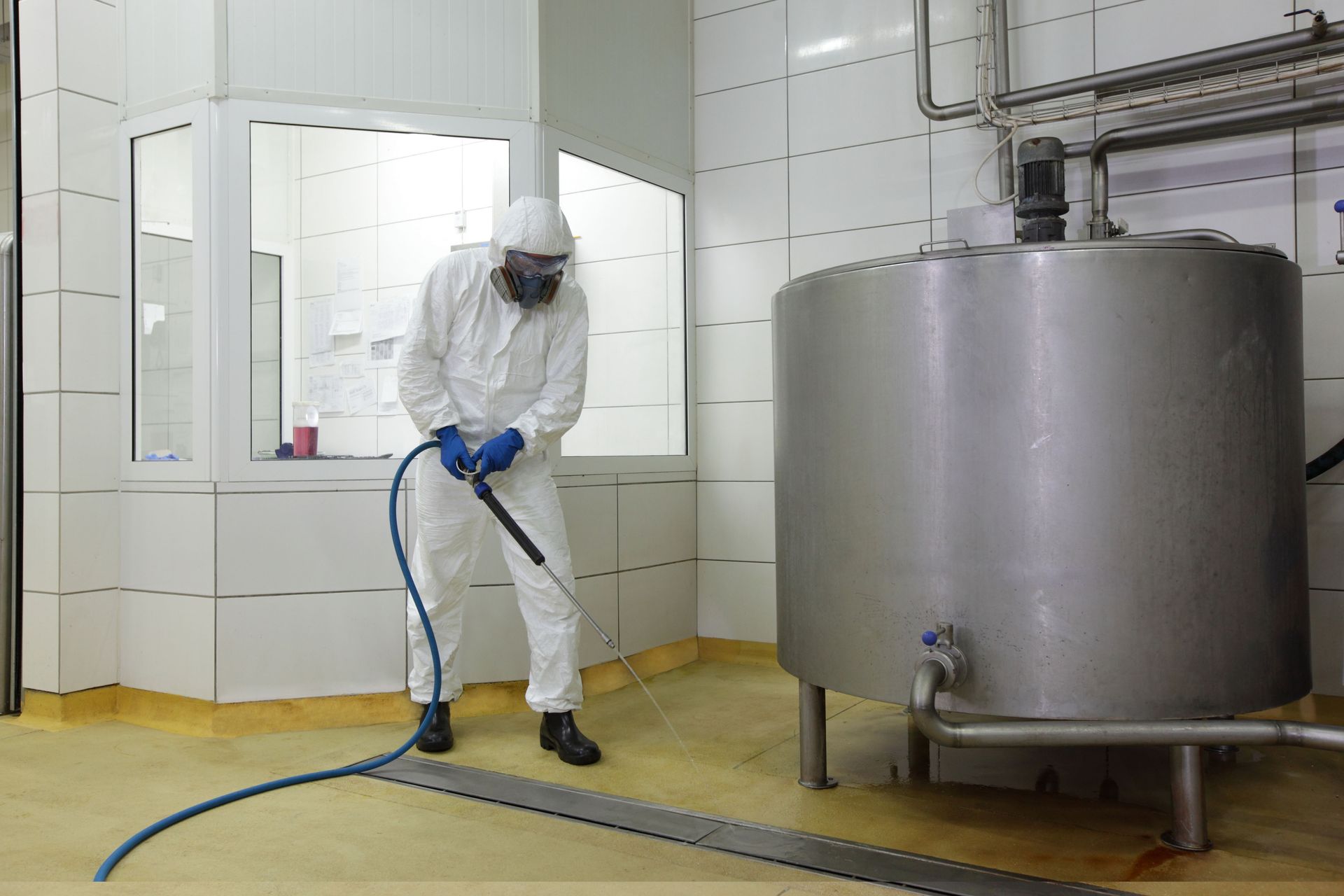
Commercial properties often have outdoor or industrial areas that face different cleaning challenges than interior office floors. Loading docks, parking structures, concrete walkways, service entrances, and equipment areas can collect oil residue, tire marks, mud, and weather-related debris. These contaminants may not respond well to basic sweeping or light rinsing. Pressure washing can help loosen certain types of buildup from durable surfaces when the correct equipment and cleaning solutions are used. Businesses should also consider where wastewater will flow and whether collected contaminants require special handling. A floor cleaning service can help determine the right approach for the location, surface type, and level of contamination. Addressing these areas regularly can improve the overall condition of the property and make maintenance more manageable. A planned cleaning schedule also helps prevent heavily used exterior spaces from being overlooked during routine facility care.
7. Reducing Demands on Daily Cleaning Staff
Daily cleaning responsibilities can become more difficult when employees have to manage stubborn stains and accumulated grime in addition to ordinary maintenance tasks. Sweeping, dust mopping, and routine mopping are necessary, but these methods may not be sufficient for every commercial surface. When deeper buildup develops, staff members may spend additional time trying different products or repeating cleaning steps. Scheduled pressure washing can address suitable surfaces more thoroughly, allowing everyday cleaning routines to focus on lighter maintenance. Businesses can organize these appointments around operating hours to reduce disruption to customers and employees. A professional floor cleaning service can also help establish a schedule based on the property's use and cleaning requirements. This division of responsibilities can make facility maintenance more predictable and efficient. Employees can then devote more attention to their primary duties while deeper surface cleaning is handled separately.
8. Creating a More Consistent Maintenance Routine
Waiting until floors look visibly dirty can allow buildup to become more difficult to remove. A scheduled cleaning plan gives businesses a way to address recurring maintenance needs before surfaces become heavily soiled. The appropriate frequency depends on factors such as foot traffic, weather exposure, industry requirements, and the type of flooring installed. Some commercial areas may benefit from more frequent attention, while others only need occasional deep cleaning. Regular inspections can help property managers recognize changes in surface condition and adjust their maintenance schedules accordingly. Working with a floor cleaning service also gives businesses an opportunity to discuss cleaning methods that are appropriate for their facilities. A consistent approach can reduce last-minute cleaning needs and help maintain a professional appearance throughout the year. By treating pressure washing as part of ongoing property care, businesses can make floor maintenance easier to plan and manage.
For dependable commercial floor maintenance, contact Northwest Commercial Carpet & Floor Cleaning Inc to discuss your facility's cleaning needs. Schedule our professional cleaning service to help keep suitable commercial surfaces cleaner, more presentable, and ready for everyday business activity.